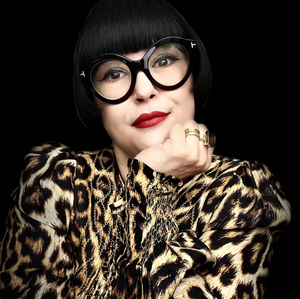
In this powerful interview, Dr. Z speaks with Michelle Cirar, a transgender woman who transitioned three years ago (around age 45-46) after reaching a critical breaking point where the choice became: come out and live, or don't survive. As Vice President and Director at a Fortune 500 company, Michelle proves that transition doesn't have to derail successful careers—in fact, her company provided comprehensive transgender support including guides for managers and employees, name/badge changes, and LGBTQ+ programming.
Michelle's story challenges common narratives about late-life transition. Despite transitioning in her mid-40s after fathering two children (now 33 and 28) and becoming a grandfather to two (ages 9 and 7), she experienced overwhelming acceptance. Her youngest son's response was immediate: "I have lesbian, gay, and trans friends—what's the issue?" Her oldest son told her that if anyone at Christmas had a problem with her, they could leave, but she was staying. Her grandchildren occasionally misgender her, but "they're kids—it's not deliberate."
This conversation reveals Michelle's unique approach to integration rather than erasure. A year into transition, she made a conscious decision to stop falling into "that black hole of depression" and embrace her entire life as one continuous journey. She no longer uses the term "dead name," calling it her "prior name"—like anyone who changed their name through marriage. She's proud of who she was before and who she is now, recognizing that at her core, she's still the same person who just looks different and sounds different.
Key topics include: why coming out was genuinely harder than any surgery (surgeries were "just something I had to do"), the importance of age-appropriate fashion (laughing now at wearing fishnet stockings and leather skirts to work early in transition), how her partner (cisgender woman she met through support groups) helped guide her style evolution, maintaining her role as "dad" to her children (they're the only ones who use her prior pronouns, which she loves), and why strong relationships survive transition while shaky ones use it as an excuse to end.
Michelle shares practical wisdom about parenting as a trans woman: "I fathered my children, I am not their mother." She still presents as what people would call a "typical dad" despite her appearance, always making sure things get done. She believes parenting style doesn't change with transition—you are who you are, you parent how you parent, regardless of gender. For those who transition early and adopt children, taking a motherly role might work, but authenticity matters most.
This interview addresses the stages of confidence building: from initial uncertainty about presentation and experiencing misgendering "like a knife to the heart," to post-surgery clarity where hormones "really lifted the cloud," to eventually declaring her transition "officially over" on her birthday in spring 2021. Michelle describes how acceptance from family, friends, and coworkers rapidly increased her confidence between November 2018 (coming out) and January 2019 (fully out to everyone).
Michelle reveals she's been chased, attacked, and yelled at (before surgeries and voice feminization), emphasizing the importance of safety awareness and blending in rather than standing out—especially early in transition. She notes that being a woman fundamentally changed her relationship to safety: "I've never been chased or attacked before transitioning."
This conversation offers rare honesty about fashion mistakes ("What was I thinking going out like that?"), the reality that there's no guidebook for "I'm transgender, this age, this profession—what should I wear?", the importance of having supportive people to guide style choices, and why her biggest regret is... nothing. Michelle carries zero regrets about transitioning later in life, her pre-transition life (which had purpose), or any decision she's made.
Michelle's advice for those not yet out: coming out is the hardest part, not surgeries or buying clothes. For those mid-transition: stay strong, stay authentic, it gets easier as more people accept you. For building confidence: remember your blessings (family, friends, career, where you live), embrace your entire life as one journey, and recognize that you only get one chance at life—be authentic, be happy, because all the money and career success means nothing if you're not happy with yourself.
This interview provides hope that late-life transition can result in overwhelming family acceptance, continued career success, romantic partnership, and the confidence to simply live life like anyone else—going to the market, going to work, planning trips to Hawaii, and moving through the world as herself.