How Social Dysphoria Can Affect You!
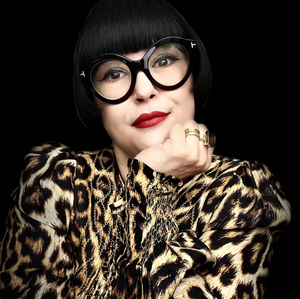
Dr. Z talks about social dysphoria—gender dysphoria that emerges from social interactions and contexts. While social dysphoria happens during transition, it becomes much more predominant once you complete transition and achieve the congruence you're seeking.
Post-transition, you're out there integrating yourself, living your life, and suddenly bombarded by thoughts: "Am I worthy enough as a man/woman/nonbinary person?" You're navigating among others, picking up on social cues, gender stereotypes, gender-specific norms—becoming hypervigilant. This hypervigilance interferes with confidence and brings up feelings of unworthiness and insecurity.
Social dysphoria shows up primarily in two ways: dating (especially when potential partners aren't interested in dating trans people—triggering "am I not worthy enough?") and chasing the ideal cis-normative perception of gender (which doesn't really exist—sex differences are biological, gender constructs are socially/culturally created, but we cluster them together). For nonbinary individuals, the feeling of invisibility intensifies social dysphoria when presentations get misread by society.
Watch to find out how to work with social dysphoria: find what makes you happy, connect with people who see and love you, engage in pleasurable activities, shift your mindset away from trying to fit societal norms (which perpetuates binary stereotypes), and situate yourself with a different worldview from the beginning.